
Hair loss is one of the most common side effects after bariatric (weight loss) surgery and is usually experienced 3–6 months after surgery. One study of patients after laparoscopic sleeve gastrectomy found that 56% experienced hair loss (46% female and 10% male).1 There are two stages of hair loss after surgery: one is fairly common, while the other may require assessment for nutritional deficiencies.
Key takeaways
- Early hair shedding is normal and caused by telogen effluvium, triggered by stress and hormonal changes from rapid weight loss.
- Hair loss that continues beyond 1 year, or starts more than 6 months after surgery, is more likely linked to nutritional deficiencies.
- Get enough protein, take your vitamins and minerals consistently and have your lab values checked.
| Hair shedding | Alopecia | |
|---|---|---|
| When | Early post-operative stage | Continues more than 1 year after surgery, or starts more than 6 months after surgery |
| Cause | Telogen effluvium (stress and hormonal changes) | More likely linked to nutritional deficiencies |
| What to do | Usually resolves on its own | Consult your bariatric team to correct any deficiencies |
Hair shedding
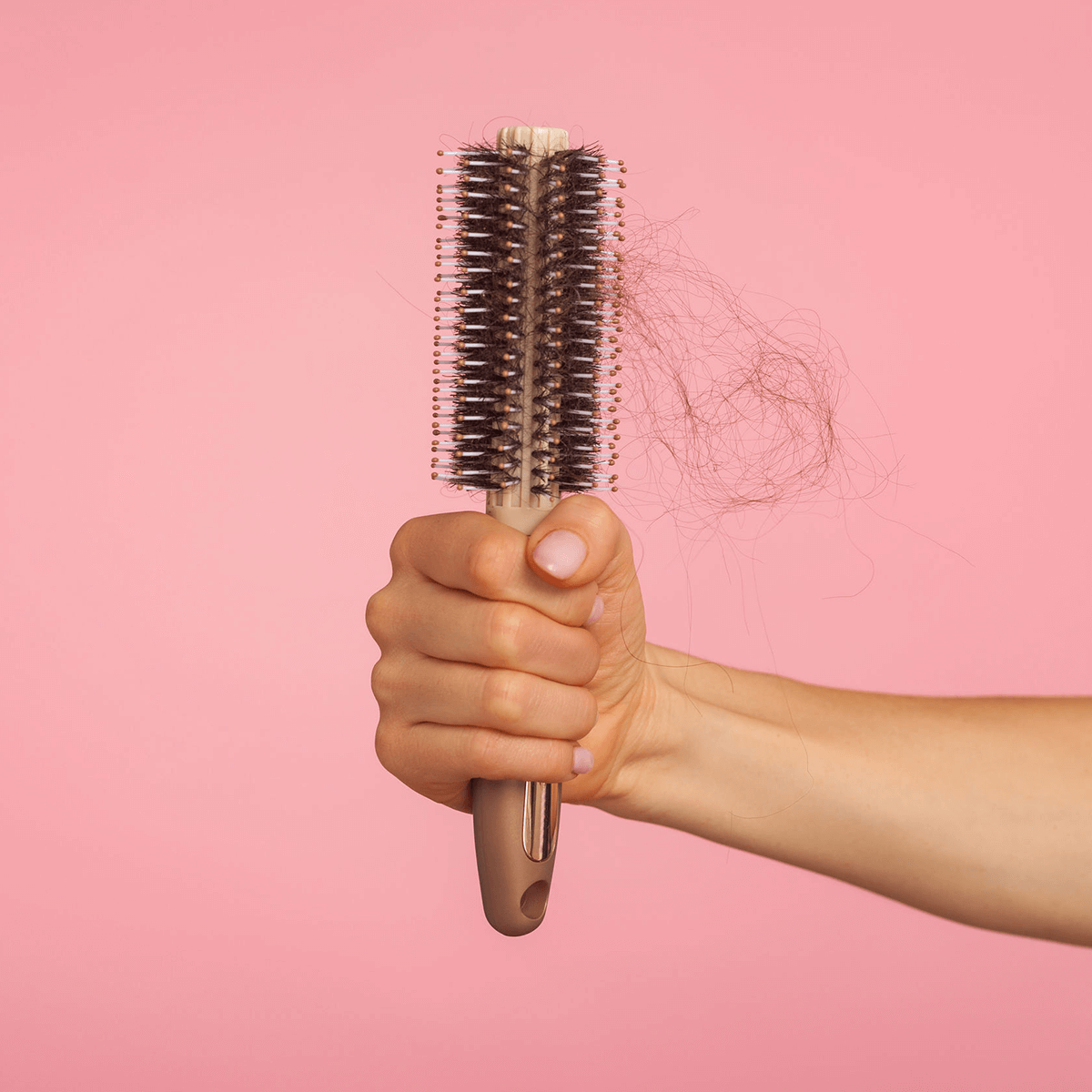
This most commonly happens in the early post-operative stage. You may notice more hair shedding when you brush your hair, shower or simply run your fingers through your hair. This is normal and is caused by telogen effluvium, a disruption of the normal hair cycle triggered by the stress and hormonal changes your body experiences from rapid weight loss.2 Hair shedding is less commonly associated with protein malnutrition or vitamin/mineral deficiencies, although one study found that patients with a higher zinc and iron intake experienced less hair loss 6 months after surgery.3
Alopecia
If hair loss continues more than 1 year after bariatric surgery, or starts more than 6 months after surgery, it is more likely to be associated with nutritional deficiencies. Common nutritional deficiencies linked to hair loss include zinc, iron, selenium, biotin, essential fatty acids and protein.4 If you experience this, consult your bariatric team to establish a plan to correct any deficiencies you may have.
What can you do?
The good news is that hair loss is normal, common and usually resolves on its own in the early post-operative stages. As your body adjusts to the weight loss, hair loss will stop and hair will regrow (as long as there are no nutrient deficiencies). If this concerns you, here are a few tips to help you stay on track:
- Make sure you get adequate protein.
- Stay consistent with your vitamin and mineral supplementation.
- Have your nutrition-related laboratory values checked as prescribed by your bariatric team.
- Consult your bariatric team regularly. They will help determine your individual protein and vitamin/mineral supplementation goals.
- Consult your GP to assess any underlying diseases that might trigger hair loss, such as liver disease or hypothyroidism.
Sources
- Katsogridaki G, et al. Hair loss after laparoscopic sleeve gastrectomy. Obesity Surgery. 2018;28(12):3929–3934. doi:10.1007/s11695-018-3433-3
- Halawi A, et al. Bariatric surgery and its effects on the skin and skin diseases. Obesity Surgery. 2013;23(3):408–413. doi:10.1007/s11695-012-0859-x
- Rojas P, Gosch M, Basfi-fer K, et al. Alopecia in women with severe and morbid obesity who undergo bariatric surgery. Nutr Hosp. 2011;26:856. doi:10.1590/S0212-16112011000400028
- Cummings S, Isom KA. Academy of Nutrition and Dietetics Pocket Guide to Bariatric Surgery. Academy of Nutrition and Dietetics, 2015.
This article is for general information only and does not replace personal medical advice. Always discuss your situation, blood test results and supplementation with your bariatric team or healthcare provider.